DIY Face Scrub: Another Kind of Coffee Pick-Me-Up

20131209-091754.jpg

I like to reuse and repurpose as much as possible, which makes this DIY coffee and honey facial even better. I simply take used coffee grounds and add honey, then gently pat the sticky mixture on my face and let it sit for about five minutes. Over the kitchen sink, I then gently massage with two fingers using a circular motion on my cheeks, chin, and forehead, avoiding the delicate eye area. When washed off, skin is soft and glowy.

Pie 1-2-3

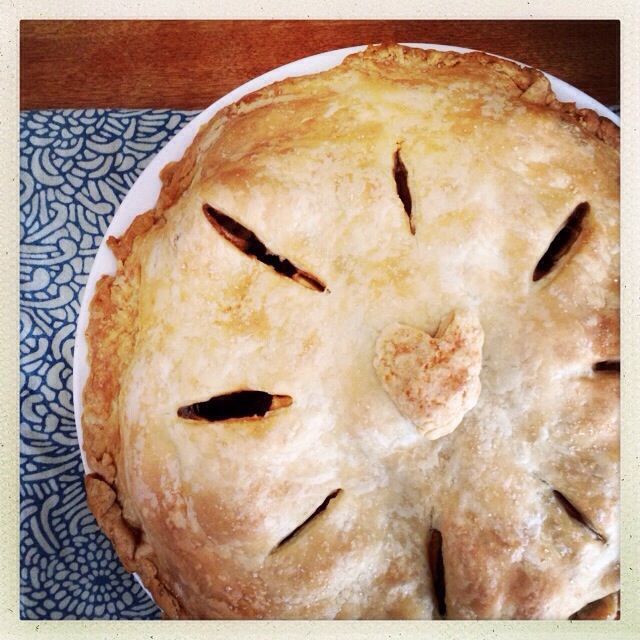
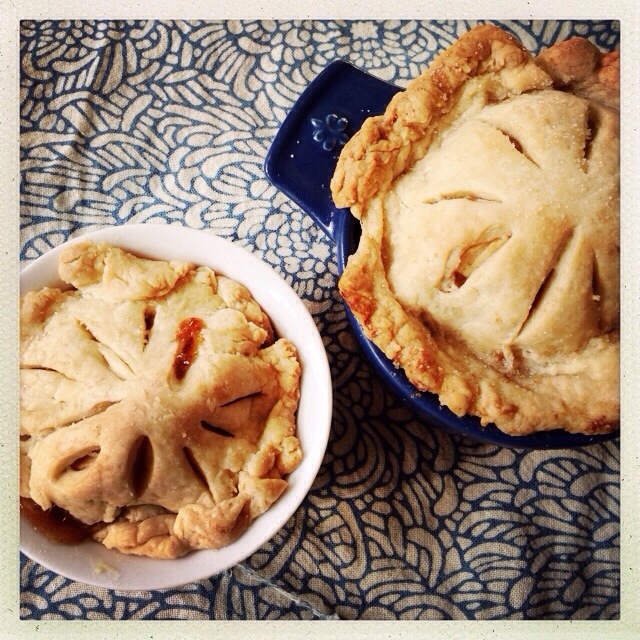
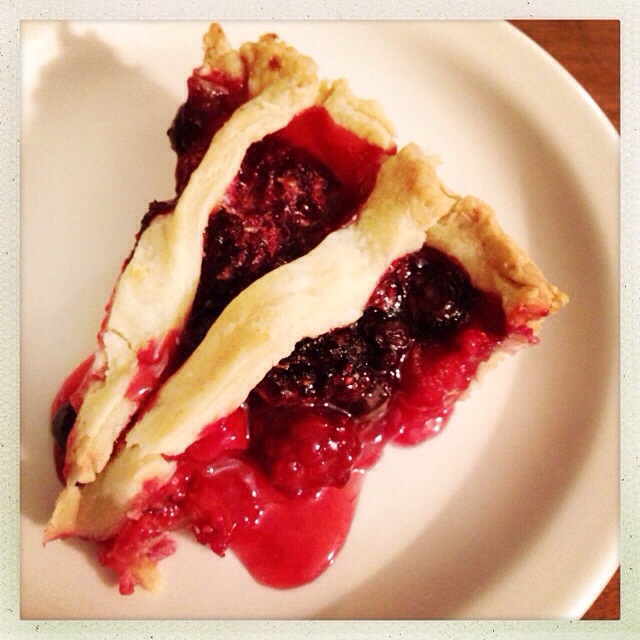
Apple pie for the Thanksgiving family dinner. Mini apple pies for the next day. Triple berry pie for the day before — because the berries at the Santa Monica Farmers’ Market looked so darn good and the feast should really start the day before….

20131129-101858.jpg

20131129-101754.jpg

20131129-101729.jpg

Roasted Cauliflower, Sunchoke and Garlic Soup

20131022-130717.jpg

Such an easy and delicious soup to make.

Cauliflower
Sunchokes
Garlic
Olive oil
Vegetable stock
Salt and pepper

Chop a whole cauliflower head and spread florets on a baking sheet or in a roasting pan. Add several cloves of garlic and chopped sunchokes. Drizzle with olive oil and sprinkle with salt. Roast in a 450 degree oven for about 30 minutes, until cauliflower is soft. In blender, purée with vegetable stock. Heat and eat. Yum.

Lessons From My Track Coach That Still Motivate Me Every Day

When I was entering high school, my parents told me they wanted me to join a team. My father was then a coach himself and knew the experience would be valuable. I ran on the cross country, winter track, and spring track teams. Frank LaBianca coached all three of these teams at my high school, for both boys and girls. He was one of my best teachers and I learned as much about life from running on tracks and fields as I did from sitting in classrooms.

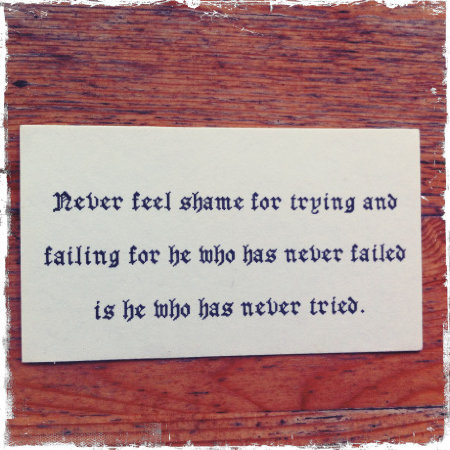
Coach studied John Wooden and Vince Lombardi and we all heard their words and were taught their lessons before knowing their names. We heard their quotes, along with others that came from writers, philosophers, and world leaders. Coach was also the print shop teacher. This is important to this story, as he taught his students by giving them assignments to print words of wisdom that were then displayed on the wall in the room our team gathered in before and after practice every day. Some were also printed on business cards Coach kept in his pockets to hand out when we needed them most.

coach_print_shop

So here’s the thing about words of wisdom: They can be words printed on a page or they can really mean something to you. When you hear phrases or expressions or even full speeches again and again, you will remember them. When those words are tied to emotions and experiences? Boom. That gives them weight and meaning. You hear a word or a phrase and it triggers something—and you can be lifted, encouraged, inspired, and driven to pick up speed and go, go, go.

In recent years, a group of teammates began to connect on Facebook. One teammate helped establish a scholarship at our high school in Coach’s name and reached out to us for support. Then someone suggested we get together to have a lunch to honor Coach—to thank him all these years later for what he did for us. Coach’s nickname was “Labo” and a teammate asked us all to share our favorite “Labo-isms” for the event—things we remember Coach saying to inspire us again and again. Here are my favorites.

“A team is only as good as its slowest runner.”

You’ve heard “there’s no ‘I’ in team”—everyone has a part to play. In cross country, there are seven runners and only the first five score in a race; your individual point score is simply where you place in the race and the team with the lowest collective score wins. So what about the other two runners? Any one of the seven can finish in the top five. These last two runners can help keep pace and offer support to other teammates. and they can act as displacers by finishing ahead of another team’s top five runners (in a close race that comes down to a matter of points, finishing one second ahead of a runner from the other team could make all the difference). You don’t have to be the fastest—or the best—to make a difference, but you have to show up and run as hard and as fast as you can to be an integral part of the team.

“Be a champion in practice—that’s where champions are made.”

Also: “Champions are made, not born.” No doubt about it, physical ability makes a difference. But it’s not everything, and talent will only get you so far. I was never the fastest on my team and no one would have dared suggest I run the 100-meter dash. But a 5K cross country race requires more than just speed; you need endurance strength that comes from running every day, remaining committed to your training goals, and listening to your coach. It means running in the sand with your sneakers on and sprinting drills around the track, even when your muscles are burning, you feel like you can’t catch your breath, and it’s taking everything you have not to cry over that blister on the back of your heel. Those who work hard and are committed to their goals are the ones who succeed. Practice makes perfect? No, but it will make you strong.

“You don’t know how strong you really are.”

During cross country season, we used the same course as the boys’ team and they would be stationed throughout the course to cheer us on, along with Coach (yelling louder than anyone). I am certain I surged ahead at their encouragement—before our home course’s legendary “Cardiac Hill,” approaching the last long stretch before the finish line, or simply mid-way through the course when my legs were feeling heavy and I wanted the race to just be over already. But I was always surprised and amazed when I found the strength to pick up my pace or the energy to kick at the end. Endurance training gives you strength. (And encouragement from the sidelines helps you find it.)
coach_card

“To have a friend is to be a friend.”

Also: “Don’t kick a man when he’s down.” We all struggled at various times—in practices, in races, and in our lives. Coach insisted that we respect and support one another and we did. I loved being on those teams and it wasn’t because I loved running or competing (though I did). It was the experience. We were truly bonded: we practiced and competed together, cheered each other on, rode the bus together to and from meets, carb-ed up on bagels or pancakes before big races, crammed into crappy hotel rooms for overnight competitions, socialized on weekends, and went to running camp every August. Blisters, sweat, and tears? Check. We were a team. Some of us stayed in touch after high school, others drifted away, but we all still share the bond. And at the reunion lunch for Coach, we felt it.

“ ‘Tis better to have fought and lost than never to have fought at all.”

Also: “Never feel shame for trying and failing, for he who has never failed is he who has never tried.” You have to try. Really, that is all.

“What are you afraid of?”

“What are you afraid of?” I heard this one a lot. I believe Coach knew just when to ask me that—when my confidence was low, when I was tired, when I wondered if I might be better off spending my time doing something else. At the lunch, many of us took turns sharing stories about our experiences on the team and with Coach, and this was mine:

I remember being in the print shop, listening to Coach give me a pep talk about fear and taking chances. “What are you afraid of?” he asked. He likely repeated that question a second time, and probably tilted his head to the side and used his hand to punctuate each word like an orchestra conductor. Then I remember clearly that he pointed up to the wall, where he had posted dozens of inspirational quotes for us to read. On the far right-hand corner was a passage from Theodore Roosevelt and it was the longest of all the quotes.

“Far better is it….” he began. But then I interrupted him. I had heard this quote so many times and I jumped right in to finish it: “Far better is it to dare mighty things, to win glorious triumphs, even though checkered by failure, than to rank with those poor spirits who neither enjoy nor suffer much, because they live in a gray twilight that knows not victory nor defeat.” In that moment, I know I felt smart and a little sassy for standing up and reciting the quote word-for-word. I don’t think I realized then that he had already taught me to believe those words, which were certainly about a war or at least about life and death or something more dramatic than a track meet or a poor showing at practice. My teammates also remember that quote and I saw heads nodding when they heard me repeat it. I told Coach then that I still hear those words all these years later, how they’re often triggered when I am facing a challenge, or when I have lost focus or confidence or faith. Those words guide me.

Photo courtesy of Frank LaBianca.

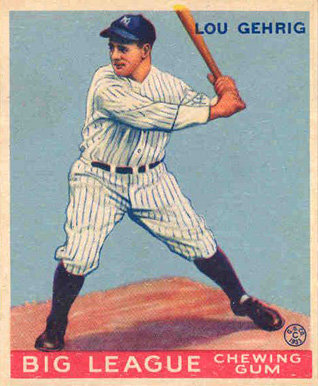
Why It’s Hard to Imagine A Better Sports Hero Than Lou Gehrig


Image

I remember my grandmother talking about how she cried when Lou Gehrig gave his “luckiest man on the face of the earth” speech at Yankees stadium, announcing that he was going to retire from baseball after being diagnosed with ALS, an illness that would soon become known as Lou Gehrig’s disease.

This might have been tougher for Gehrig than most. At the time—and for more than 50 years after this—he was the record-holder for consecutive games played in baseball (2,130). That sort of commitment earned him the nickname “The Iron Horse” and was one of the many reasons he made such a great team captain.

Gehrig was long gone by the time my grandmother told me this story, but he became my first sports hero that day.

In sports—and other pursuits—you need skills (some innate, some developed). You have to deliver. In addition to his consecutive record streak, Gehrig played remarkably well (the other record he held was for most Grand Slams: 23). Then there’s the unflappable spirit. You need to believe you’ll hit another homer even if you find yourself striking out.

And even better than playing well? Playing well with others. Unless you are pursuing something truly individual, you need to unselfishly support the efforts of your teammates. Now for the part about having a heart of gold. Yes, of course you need to have a healthy ego and plenty of ambition (but, seriously, you don’t have to be showy or obnoxious about it). If you’re fair and decent, you earn the respect and admiration of your teammates. In honor of their lost hero, the Yankees didn’t name another team captain for 30 years.

Back to that speech. My grandmother was one of thousands who cried upon hearing a brave and humble Gehrig give his farewell address, in which he expressed his gratitude to fans, fellow players, his parents, his wife, his mother-in-law—even groundkeepers. It is by no accident that Gary Cooper, the most All-American of actors, was later cast to play Gehrig in the movie about his life, The Pride of the Yankees. It is a bio film of Gehrig’s life, but it a story you would guess to be pure fiction because, come on, let’s be honest here, could a guy really be that good?

I grew up believing he was, and his example has stayed with me all these years.

I’m still entertained and moved from watching sports, and it is the athletes with Gehrig-like qualities I always admire the most. While I have been disappointed by some (I won’t even bother to name them), so many other true greats continue to emerge on playing fields, courts, and tracks.

It’s inspiring to see someone who has the skills, the spirt, the heart—and commitment. That consecutive game streak of Gehrig’s says so much. Think about how easy it is to quit, change course, or simply lose steam. Gehrig didn’t. (2,130 consecutive games!) He remained dedicated until it was no longer possible. You’re lucky to find someone like that to look up to in life.

Sunshine on Tap: Treating Vitamin D Deficiency

sunset_nov26

Originally published on The Green Beauty Team website

The most surprising prescription I’ve been given by a doctor wasn’t something I could pick up at my local pharmacy. Instead, she told me to get out in the sun more—and to go easy on the sunscreen. The advice from my doctor came when a blood test revealed I had a vitamin D deficiency. As someone who has been a devoted sunscreen user for years, this sounded as nonsensical as being told to take up smoking or eat more deep-fried foods.

It has long been established that exposure to the sun’s ultraviolet (UV) increases your risk of skin cancer and causes signs of premature aging. I wear a moisturizer with an SPF of 15-30 every day to prevent skin cancer, sun spots and wrinkles. (Health is a top priority, but vanity is another great motivator.)

HOW MUCH IS ENOUGH D?

Vitamin D is a fat-soluble vitamin found in some, but not many, foods. The National Institutes of Health recommends 600 IUs (international units) of vitamin D for adults 19-70. The trouble with getting D from your diet is that it’s found in limited quantities. For some perspective on amounts of vitamin D in foods, one cup of fortified milk has 115-124 IUs and 3 oz. of salmon has 447 IUs. The best food sources of vitamin D are fatty fish such as salmon, tuna, mackerel and sardines. Egg yolks, cheese and mushrooms also contain small amounts, and some milk, cereals, cheeses and yogurts are also fortified with vitamin D. You can also get vitamin D from supplements.

Alternately—and this is where my doctor’s advice comes in—your body can naturally synthesize vitamin D when your skin is exposed to the sun, without sunscreen or windows to block the rays. According to the Natural Institute of Health, most people get enough D from regular sun exposure.

WHY YOU NEED PLENTY OF D
Those of us who wear sunscreen regularly are at risk for a vitamin D deficiency, but it’s important to take steps to maintain the recommended levels, as the role of vitamin D is not to be dismissed.

Let’s begin with bones. The body needs vitamin D to absorb calcium, which is essential to maintaining bone health. If your body doesn’t have enough vitamin D, it cannot absorb calcium and you can develop osteomalacia, a condition which causes bone pain and muscle weakness. A calcium deficiency also puts you at a greater risk of developing osteoporosis, a disease that weakens the bones. Each of us naturally loses bone mass as we age, which is why it’s critical that we get enough vitamin D and calcium.

Vitamin D has other vital roles in maintaining overall health: it helps our immune system fight off bacteria and viruses, and works to make sure muscles and nerves function properly. Though not yet conclusive, recent studies have also been conducted on vitamin D’s role in preventing cancer and other diseases and conditions.

GETTING BACK THE D
Just as my doctor prescribed, I am now trying to spend 10-20 minutes of unfiltered sunlight several days a week—not long enough to get burned, but long enough for the body to produce vitamin D. (Lucky for me, living in Southern California makes this possible year-round.) Of course, those especially at risk for skin cancer need to take greater care in protecting themselves and no doctor will carelessly recommend that people get too much sun exposure. I’m also taking a daily vitamin D supplement and taking care to add more fatty fish to my diet.

You never have to twist my arm to go out for sushi. These days I’m also making my tried-and-true favorite of tuna and capers with pasta weekly (penne with fresh or canned tuna, a handful of capers, tossed with fresh lemon juice and olive oil). Plus I’ve added these vitamin D-packed recipes below to my repertoire.

Sicilian Style Pasta with Sardines
Salmon with Herbed Mustard Sauce
Baked Salmon in Foil
Roasted Mackerel with Avocado Salad

Football Sunday Sauce

20120909-193540.jpg
Despite summer weather in LA, today felt Fall-ish, if only because it was the first Sunday of football season and the first Sunday after Labor Day. I woke up and knew it had to be a red sauce day. With a football game playing in the background, I chopped and sauteed onion and garlic and the smell filled the house before I opened the cans of tomatoes. Because it is still tomato season, we had ripe and sweet farmer’s market heirloom tomatoes to add to the pot, along with fresh basil from the garden. Then we smelled the simmering pot of marinara for hours before dinner time, just like I remember Sundays from my childhood.

Raid Your Kitchen for DIY Hair Care

Originally published (slightly edited version) on the Green Beauty Team website

Many of the same all-natural and good-for-you ingredients in your fridge and pantry are also healthy and effective applications for your hair. When tending to your tresses, here are some DIY hair care products you can make with common ingredients from your kitchen. Good enough to eat? You bet: Ingredients listed in the concoctions below are edible.

Heavy-Duty Conditioner: When you know you’ll be hanging around the house for an hour or two, try a homemade conditioning treatment using coconut oil or olive oil as a conditioner. Simply fill your palms with oil and apply to dry hair, section by section. Pull back into a ponytail or braid and let soak. If you feel the need to cover your hair, try a hot towel or a reusable shower cap, but try to avoid wasteful plastic wrap. If coconut oil is your elixir of choice, you can leave it in when you’re going out. I simply slick my hair back into a low, sleek and slick ponytail. Regardless of which oil you use, you’ll want to shampoo well to rinse out the oil. Be sure to use a gentle shampoo free of astringent ingredients, so you don’t unwittingly dry out your hair all over again.
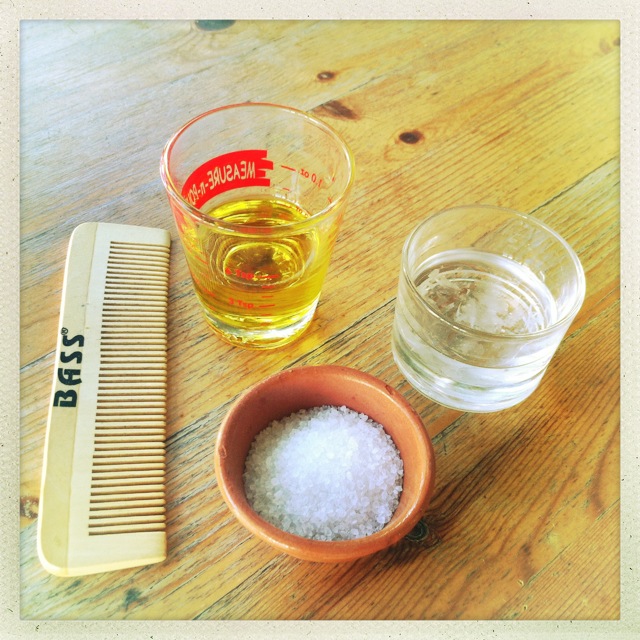
Quick Conditioner: If you’re short on time, but desperately need a moisture boost, apply a small amount of olive oil on a comb to wet or dry hair and leave it in. Another quick conditioning pick-up: “Tip one back” in the shower and try the age-old trick of rinsing beer through just-shampooed hair.
Conditioning Hair Mask: Avocados, mayonnaise, and eggs are well-known conditioners. Mash up a mixture of any combination of these emollient ingredients and massage into dry hair for 30 minutes, then wash out. It’s messy, but you can contain it all with a towel or shower cap.
Beach Hair Spray: For DIY beach hair spray, blend distilled water, coconut oil, and sea salt in a spray bottle. Feel free to eyeball the proportions.  I use a ½ cup of water, 1 teaspoon coconut oil, and 1-2 tablespoons of sea salt. Shake well before spraying to dry or wet hair. Then, scrunch and twirl away for more body. (I boil Brita-filtered water to make my own distilled water.)
Sexy Bed-Head Hair: The trouble with the bed-head look is that no one really wants to show off greasy roots. The best way around this is to apply coconut oil to the middle and ends of your hair, staying away from the scalp. To get this look with squeaky clean hair, apply a small amount of coconut oil, twist and scrunch hair until messed up to your liking.
Greasy Roots Controller: We’ve all had those days between shampooing when our hair maintains good form but our roots look a little too oily. So many of the dry shampoos on supermarket shelves contain artificial and toxic ingredients worth avoiding, even if the idea is a good one. Try making your own dry shampoo to use on greasy roots with corn starch, which soaks up the oil. That’s right — just corn starch. Apply with fingertips to your scalp and rub or comb through until the powder disappears.
Flyaway Controller: Rub palms with the barest amount of coconut or olive oil, and gently smooth those out-of-control hairs into submission.
Dry Ends Controller: Apply a small amount of coconut oil or olive oil to the ends of dried-out hair, wet or dry.
Lifeless Hair and Dandruff: To remove product build-up or treat a flaky scalp, rinse hair with apple cider vinegar. To breathe life into your tresses, apply to hair only. To control flaking, start at the scalp working your way through to the ends. (Don’t worry — the vinegar smell doesn’t linger.)

Balsamic: Worth the Wait

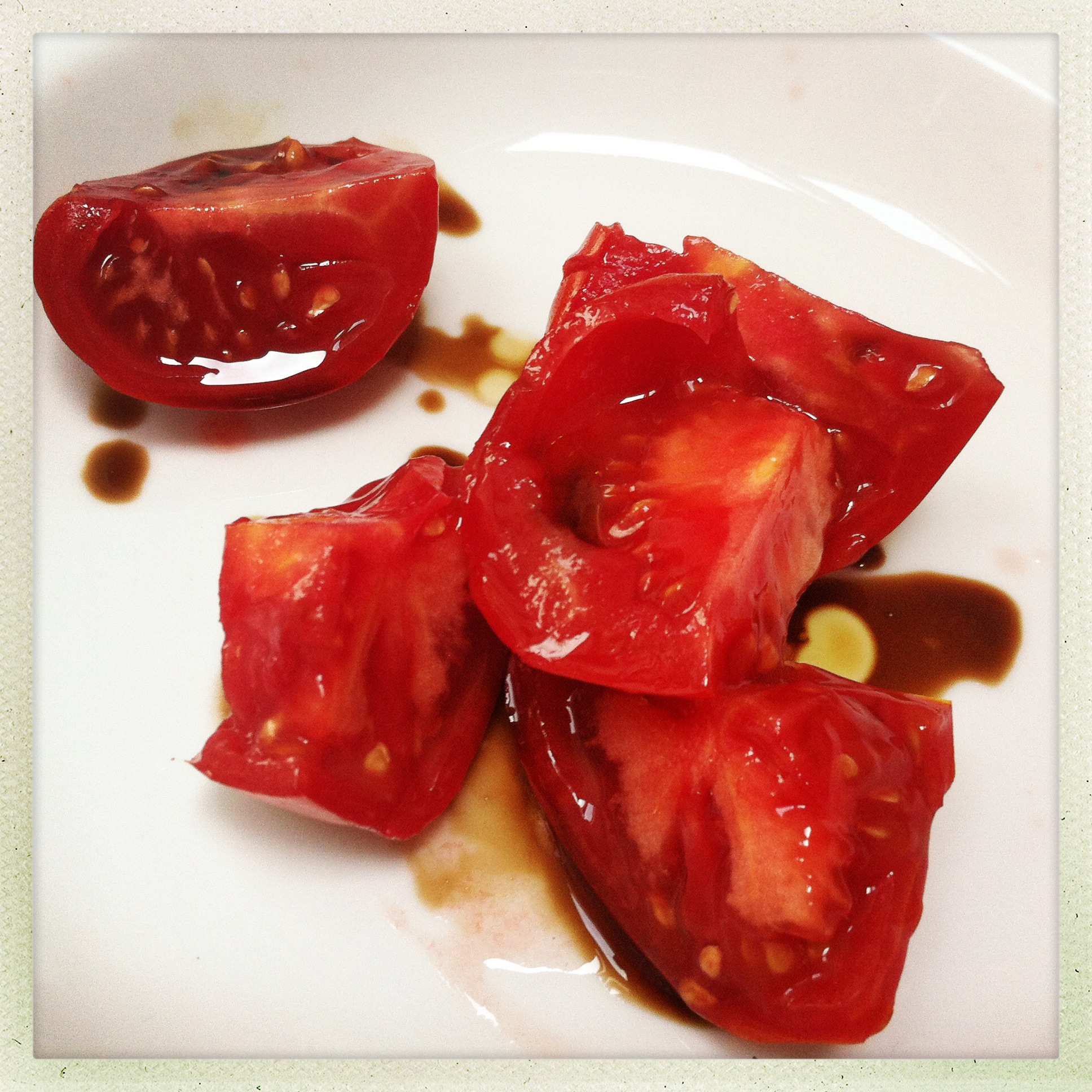
During a recent family visit, my aunt surprised us with a gift from a new shop in town that sells olive oils and vinegars. “It’s the most delicious balsamic vinegar!” she said. No doubt about it — she seemed very excited about this vinegar. We planned to fly back home with only carry-ons so she insisted on mailing it to us. It seemed like a lot of work for a bottle of balsamic vinegar, but how could we argue? The same day the box arrived in the mail, our neighbors brought over fresh garden tomatoes and we dressed them simply with a drizzle of olive oil, the aged balsamic, and a bit of sea salt. She wasn’t joking about the flavor. Yum.

Recipe: Peach Cucumber Summer Salsa

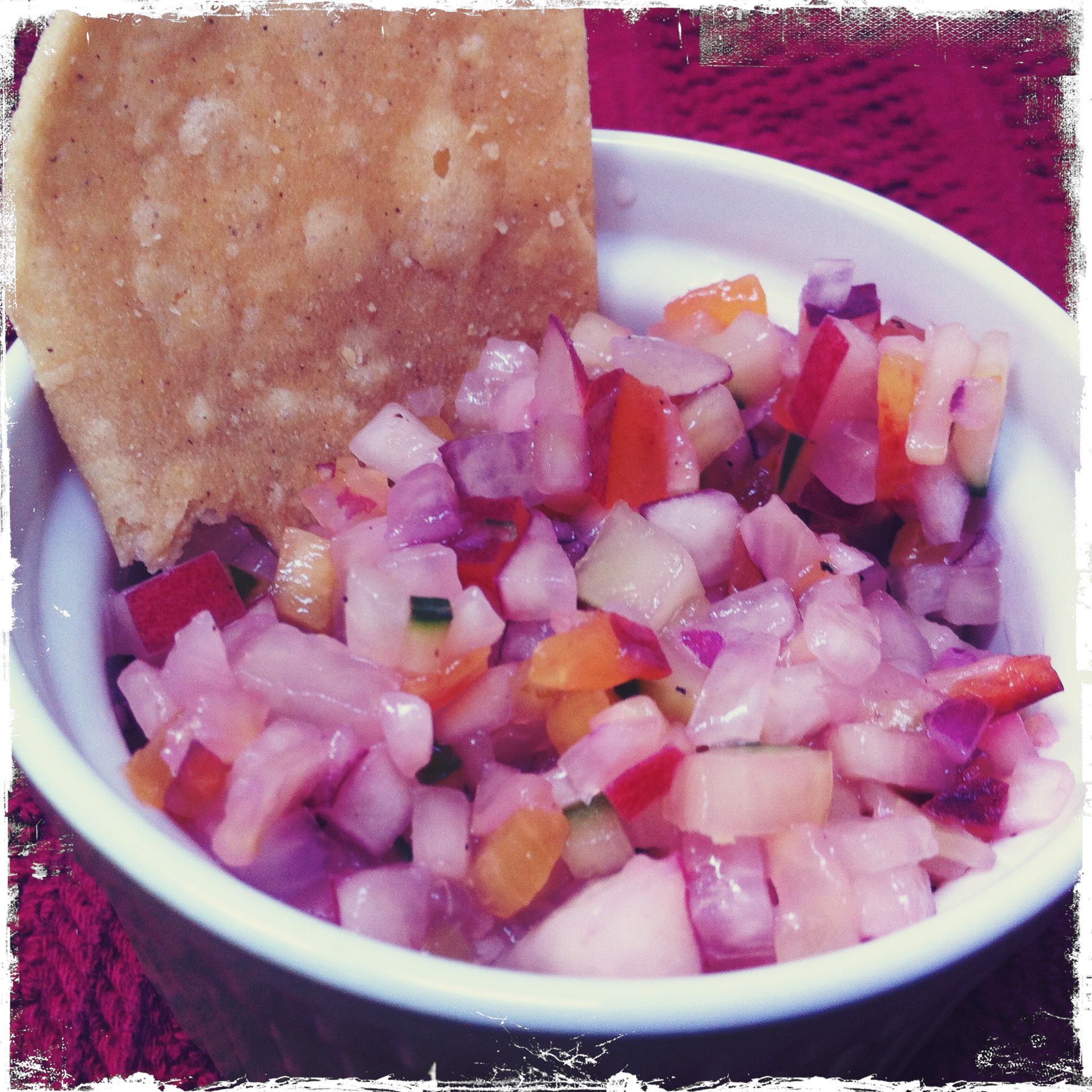
Peaches are in season and I wanted to make a summery salsa for taco night with friends. This is loosely based on a Bon Appetit recipe I found on Epicirious, but I skipped a few ingredients and added a few more to my own liking. We served this with tortilla chips and also used it to top Mr. MVP’s grilled shrimp tacos. Note on peaches: they’re on the Environmental Working Group’s Dirty Dozen list of produce with pesticides, so it’s always best to choose organic.

Peach and Cucumber Summer Salsa

1 white peach

1 yellow peach

1 hothouse cucumber

2 limes

1/2 red onion

Sea salt

Fresh black pepper

Dice peaches and cucumber (skins on both) and place in bowl. Finely chop 1/2 red onion and add to bowl. Add zest of 1 lime and juice from both limes. Add salt and pepper to taste.  Chill before serving. Enjoy.

Wine note: Mr. MVP poured us Moscadello from Capanna, a rare white Italian wine with the perfect amount of sweetness.


Recipe: Dark Chocolate Hazelnut Spread

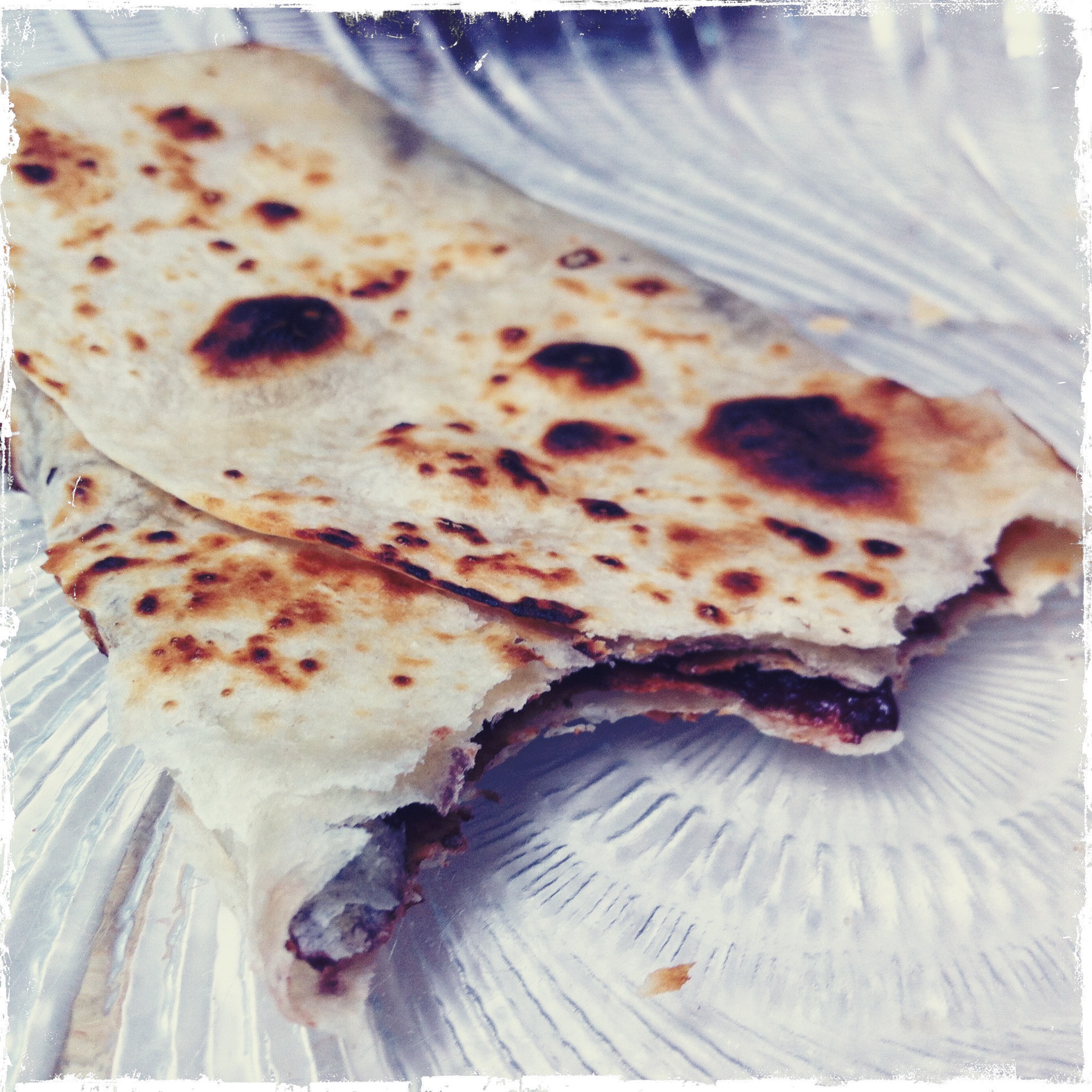
Dark chocolate hazelnut spread inside a tortilla.

I have always liked Nutella, but I’m not a fan of milk chocolate and wish it were more dark and bittersweet. While I like Nutella, I know I’d love dark chocolate Nutella. So I set out to make a darker version myself. And after reading the amusing news reports of the woman who sued the company because commercials for Nutella implied that it was a healthy breakfast food for her kids, I wondered if I could make a version that is a bit healthier. I wanted to make my dark chocolate hazelnut spread without adding sugar or oil, but I didn’t have much luck finding a recipe online that looked right for me. So here’s my concoction, made simply with nuts, honey, unsweetened cocoa powder, almond milk, vanilla, and salt.

Dark Chocolate Hazelnut Spread

1 cup raw, unsalted hazelnuts

2 1/2 tsp. raw honey

1/4 cup unsweetened cocoa powder

1 tsp. vanilla

1/2 cup unsweetened almond milk

1/8 tsp. salt

Roast hazelnuts on a cookie sheet in the oven at 350 degrees for 8-10 minutes (check after 5 minutes and shake them on the sheet for even roasting).

Remove from oven and let cool enough to handle, then remove skin from the nuts with your fingers (or shake the nuts in a covered bowl).

In a food processor, puree the hazelnuts until shiny and smooth, resembling the texture of natural peanut butter.

Add the cocoa powder, salt, honey, and 1/4 cup of the almond milk and puree until smooth. If it needs more moisture, use the remaining almond milk.

Enjoy.

Note: I brought a batch to a dinner party at the home of friends and we spread it on croissants for dessert. They told me they aren’t the biggest fans of Nutella, but they loved this spread.

Almond Milk Hot Chocolate

For a friend’s barbecue on a cool Los Angeles evening, I brought ingredients for almond milk hot chocolate for us to sip by the fire pit. I make my chocolate milk with dark chocolate, cocoa powder, and almond milk. Preparing it couldn’t be easier: I add pieces of a chocolate bar (70%), unsweetened cocoa powder, and a dash of salt to unsweetened almond milk in a saucepan, then stir occasionally with a whisk on medium heat until blended and hot (but not boiling). Measurements? I usually make one or two cups at a time and use 1 tablespoon of cocoa powder and a few pieces of chocolate. Honey, agave nectar, or sugar can be added for sweetness. Our friends Kristine and Dan had marshmallows for toasting by the fire and a few of us added one (or two) to our hot chocolate milk mugs. Yum.

Q&A: Perfumer Mandy Aftel

Excerpt of my interview with Mandy Aftel, originally published on Greenopia.com

Perfumer Mandy Aftel’s love of natural essences drives her business. While most commercial perfumes are made using synthetic scents, her Berkeley-based Aftelier Perfumes is focused on making artisan natural perfumes. She’s also written books on the subject, including Essence & Alchemy: A Natural History of Perfume and Aroma: Cooking with Essential Oils (co-authored with Coi chef Daniel Patterson).

Best part of your job?
I love smelling new natural materials and creating with them. I love all the different ways they smell—it’s amazing. For instance, I love the difference between Moroccan, Indian, and Egyptian roses. So, I would say the best part is creating and using those materials.

Is there a particular environmental non-profit you support?
Alice Water’s Edible School Yard.

What’s your favorite vacation destination?
I love to go to cities with great art and where great literature has been written, like London and Paris.

What’s your favorite weekend outdoor activity?
Gardening. I have a wonderful garden. I grow the stuff I don’t have the essences for. I love lilies and I grow a lot of roses.

If you were a tree, what kind of tree would you be?
I’d be a fir tree because I like the way it smells. It’s kinda jammy, like strawberry jam in the forest.

Describe your path to green. How and when you became eco-conscious.
I would have to say my passion for natural essences is behind it. You cannot help but be in awe of nature when it makes such incredible smells. Barks of trees and flowers—this rainbow of smells is so extraordinary. It’s hard to not be in awe of nature and to want to preserve it.

Thanksgiving: Farmers’ Market Pics

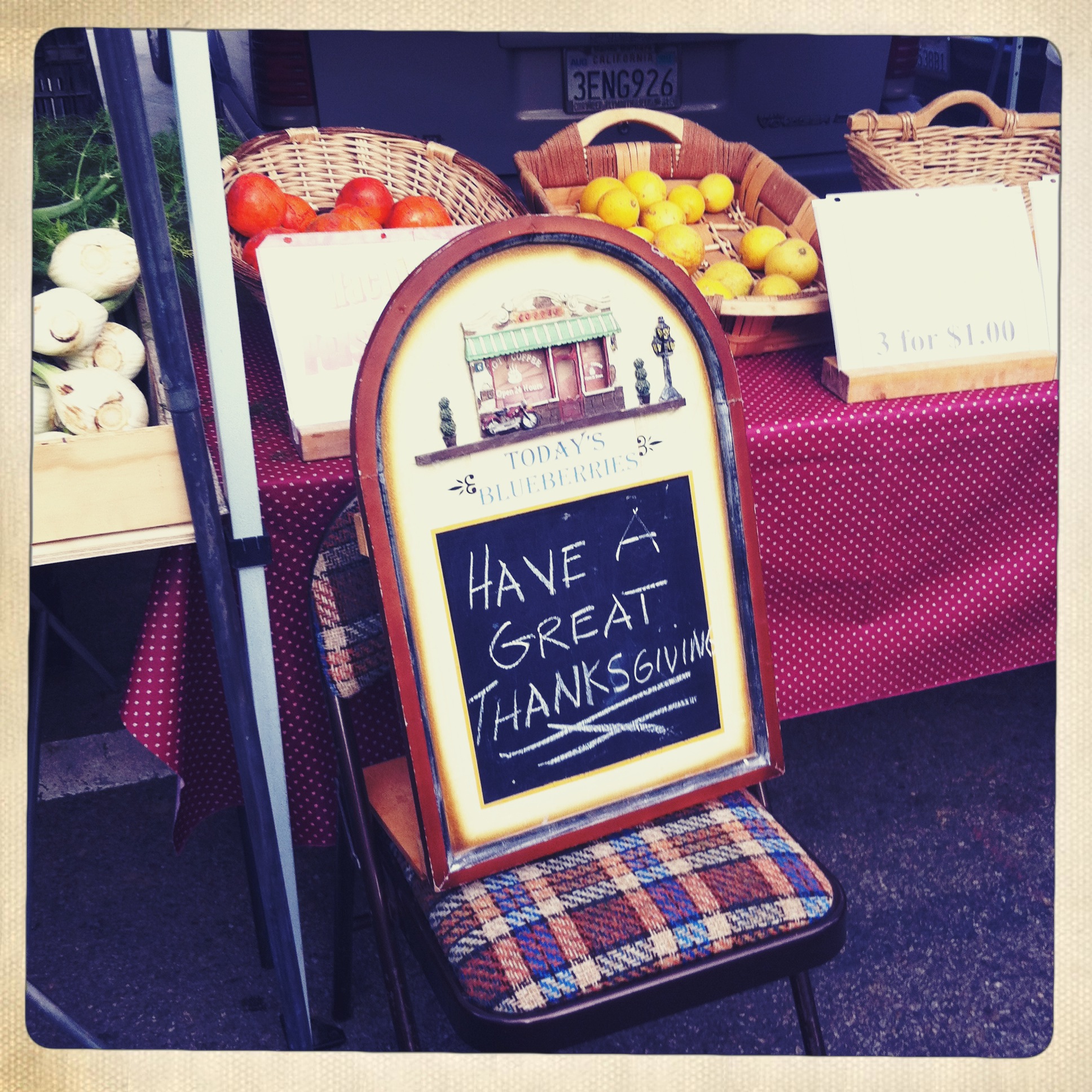
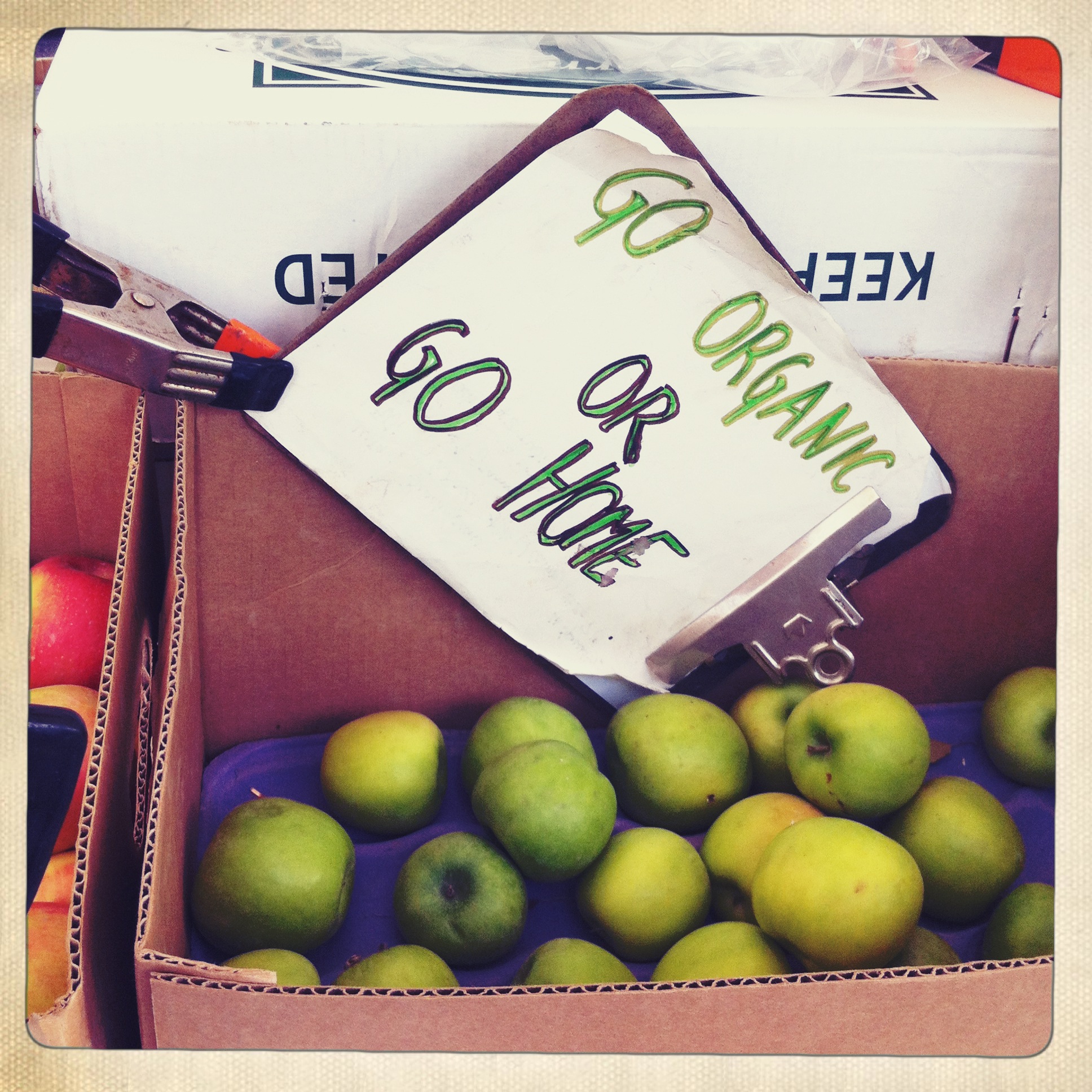
Photos taken at the Santa Monica Farmers’ Market on the Wednesday before Thanksgiving. It’s my favorite day to go: always crowded and full of people picking out fresh produce for their Thanksgiving feasts. I love to overhear conversations with shoppers and vendors talking about what they’re making and sharing tips and wishes for a good holiday. The “go organic or go home” apple vendor from Paso Robles gave me the tip a few years ago to use some Pink Lady apples with Granny Smith ones when making apple pie.